
Reading List
These are books that have shaped my thinking or that consistently come up as trusted recommendations from people whose judgment I value. I haven’t finished all of them, but each one has either influenced me already or earned a place on my list because of the strength of those endorsements.
Introduction to Algorithms
by Thomas H. Cormen, Charles E. Leiserson, Ronald L. Rivest, and Clifford Stein
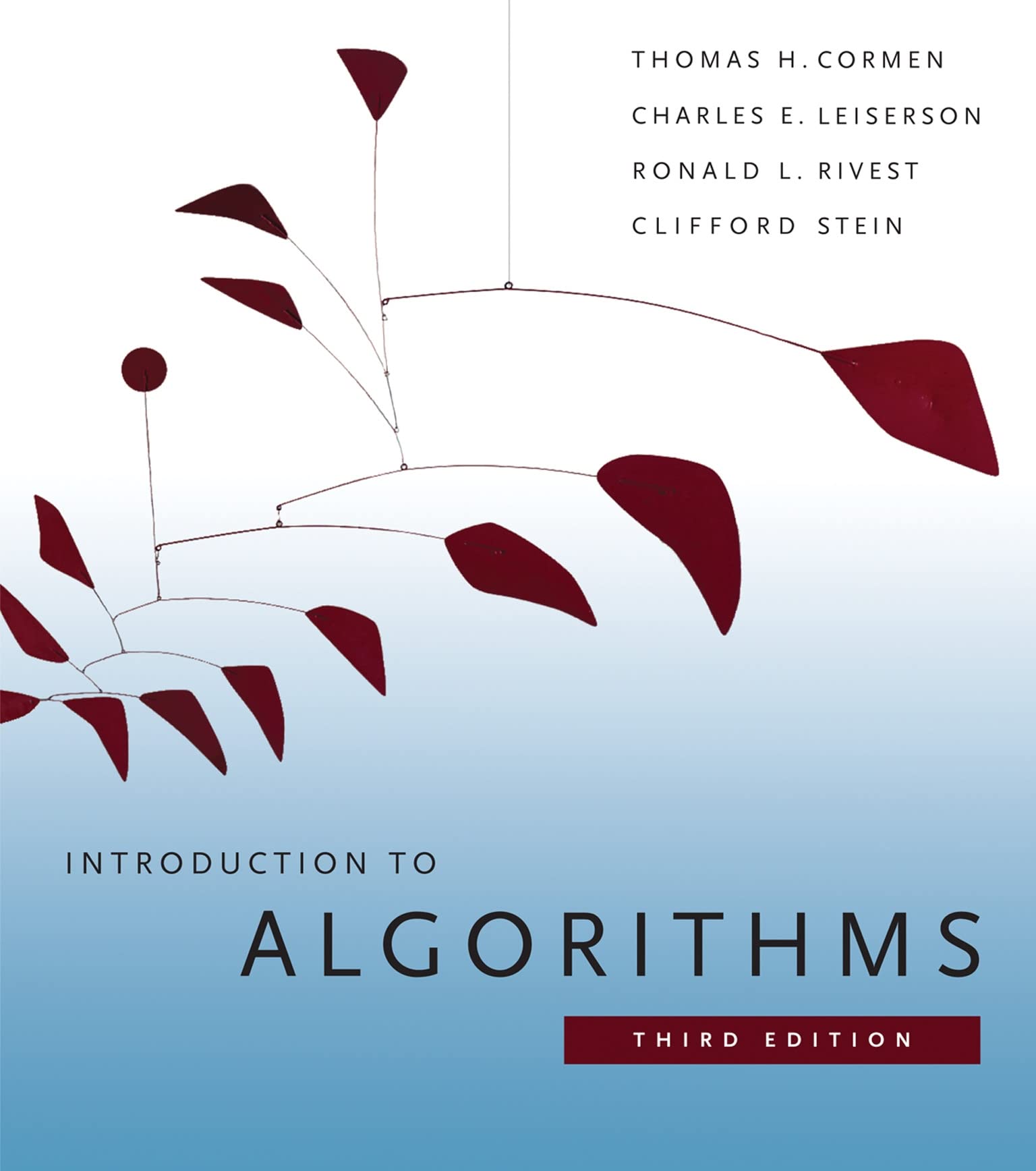 This is probably the classic reference for understanding algorithms and data structures, so it’s a bit of a cliché to list it here. But I have to. This book balances mathematical rigor with practical implementation details in a way that transforms your thinking process.
The book’s treatment of algorithm analysis, including asymptotic notation and proof techniques, provides the foundation for reasoning about performance and correctness. Whether you’re studying sorting algorithms, graph algorithms, dynamic programming, or advanced topics like NP-completeness, CLRS offers both depth and clarity that few other texts match.
Introduction to Computing Systems
by Yale N. Patt and Sanjay J. Patel
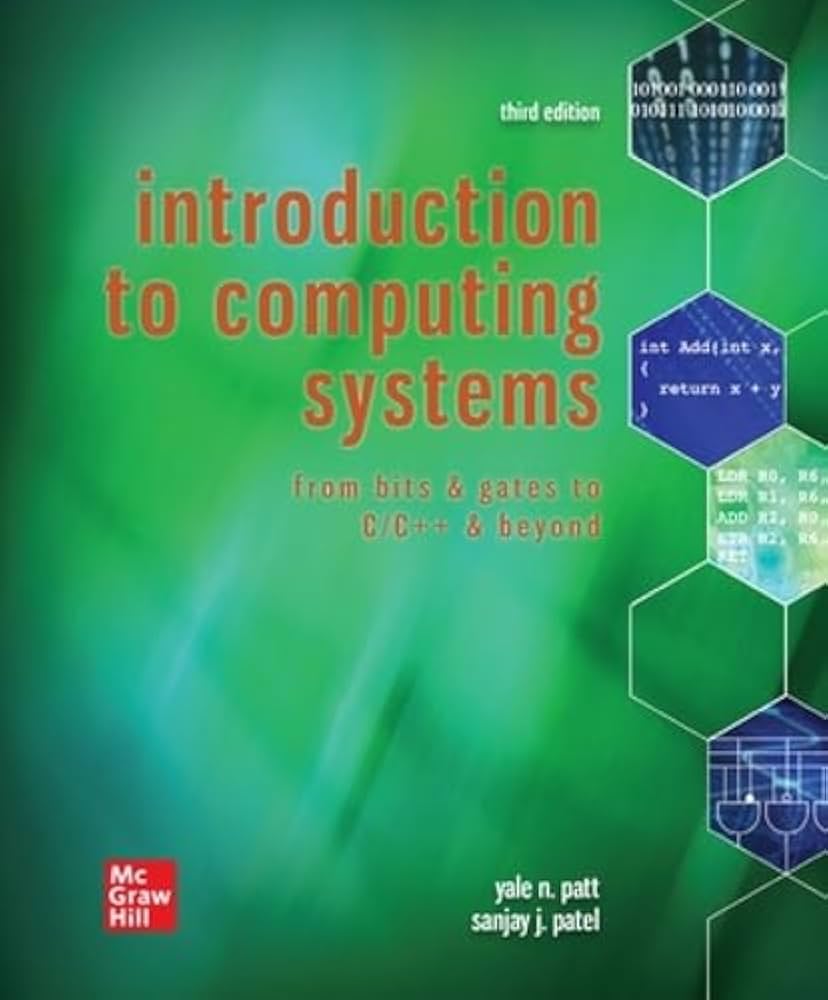 This book takes a bottom up approach to understanding how computers work, starting from transistors and building all the way up to high level programming concepts. Patt and Patel guide you through logic gates, the LC-3 instruction set architecture, assembly language, and then into C programming, showing how each layer depends on the one below it. The progression is deliberate and systematic, making it an excellent choice for anyone who wants to see the complete picture of how software connects to hardware.
The LC-3 architecture used throughout is simple enough to understand completely, yet rich enough to demonstrate the fundamental principles that apply to real processors. The exercises are well designed to reinforce concepts without overwhelming you, and the explanations are patient and thorough. It is a very good and gentle (but comprehensive) introduction to how computing systems are built from the ground up.
Computer Organization and Design
by David A. Patterson and John L. Hennessy
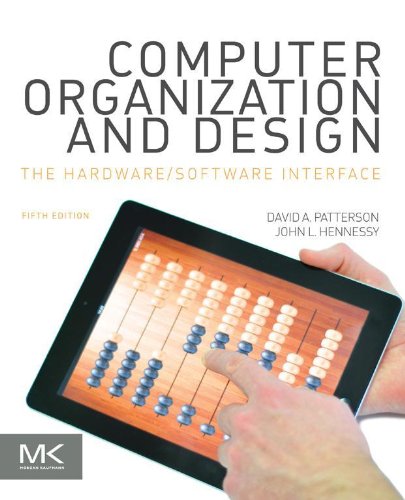 This book provides a thorough introduction to the relationship between hardware and software, showing how computers are designed from the ground up. Patterson and Hennessy take you from transistors through logic gates, processors, and memory systems with a focus on the principles that guide real implementations. The writing is structured to build intuition about why hardware works the way it does, making concepts like pipelining, caching, and instruction sets comprehensible without sacrificing technical accuracy.
What sets this book apart is its attention to the interplay between architecture and performance. It explains how design decisions at the hardware level directly affect the programs you write, giving you insight into why certain code patterns are faster than others.
Computer Architecture: A Quantitative Approach
by John L. Hennessy and David A. Patterson
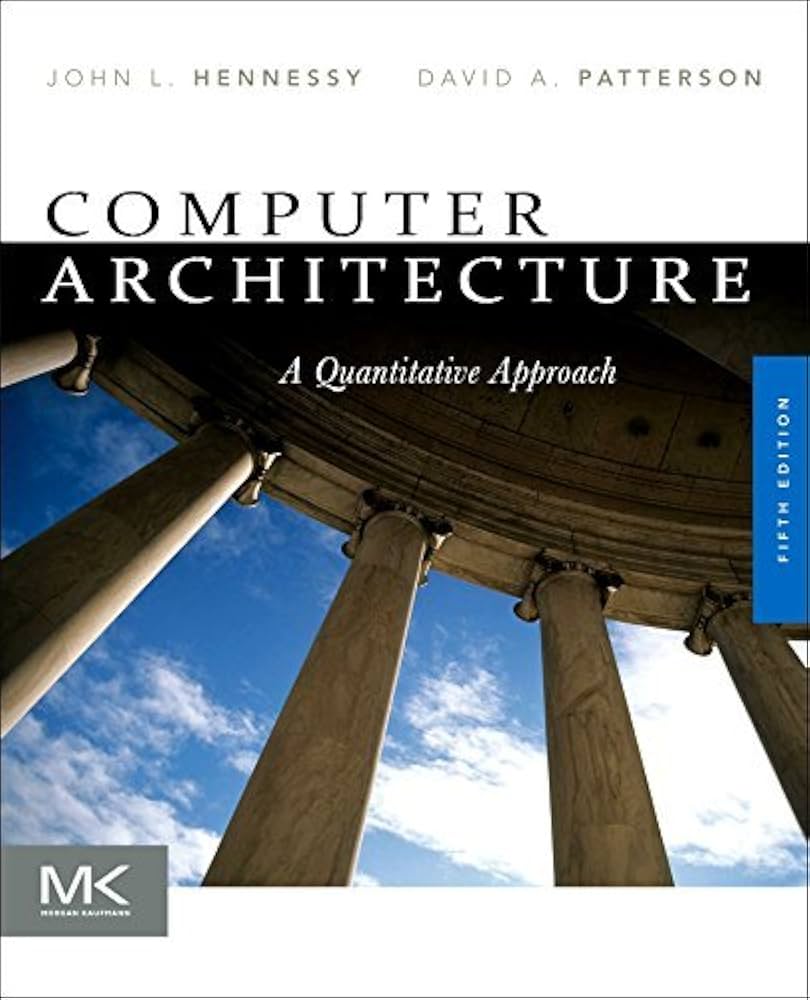 This is the advanced companion to Computer Organization and Design, and it takes a more analytical view of how modern processors and systems are built. Hennessy and Patterson dive into performance measurement, instruction level parallelism, memory hierarchies, multiprocessors, and the quantitative methods used to evaluate architectural trade offs. The approach is pragmatic: every concept is tied to measurable outcomes, and the book constantly asks what actually makes systems faster or more efficient in practice.
The value here is in how it treats architecture as an engineering discipline driven by data. You learn not just what techniques exist, but how to reason about their costs and benefits in real scenarios. Topics like out of order execution, branch prediction, and cache coherence are explained with both depth and clarity, giving you the tools to understand how high performance systems work and why they are designed the way they are. It’s dense, but if you care about the machinery that drives modern computing, it’s worth the effort.
Calculus
by Michael Spivak
 Spivak’s Calculus is not just another calculus textbook. It’s an invitation to think like a mathematician. Instead of presenting calculus as a collection of computational tricks, it builds everything from first principles with careful definitions and rigorous proofs.
The problem sets are legendary for their difficulty and depth, forcing you to truly understand the material rather than simply memorize formulas. This book transformed how I think about mathematical reasoning and precision. It’s the perfect bridge between computational calculus and real analysis, teaching you not just what calculus is, but why it works and how to reason about continuous functions with clarity and rigor.
Mathematics for Computer Science
by Eric Lehman, F. Thomson Leighton, and Albert R. Meyer
 This book is used at MIT, and that alone hints at its temperament: the book treats mathematics not as a museum of polished results but as a workshop where ideas are built, tested, and occasionally fall apart before taking their final shape. That spirit of intellectual carpentry runs through every chapter. Instead of presenting discrete math as a checklist of techniques—proofs here, induction there—the authors invite you into the habits of thought that computer scientists actually rely on. Definitions unfold with purpose, proofs illuminate rather than intimidate, and every concept feels wired into the logic of computation.
What makes the book addictive is the way it gradually trains your instincts. Counting, probability, graph theory, modular arithmetic—each topic is taught with a combination of rigor and playfulness that nudges you to see structure where you previously saw noise. The exercises are demanding in the best possible way: they force you to grapple with ideas until they become part of your mental toolkit. It’s a course in how to think precisely while still being imaginative, which is exactly the blend of skills that keeps computer science such a strange and beautiful universe to explore.
Introduction to the Theory of Computation
by Michael Sipser
 This is a clear and dependable introduction to theoretical computer science. Sipser explains automata, computability and complexity in a way that stays focused on the core ideas without unnecessary ornament. Definitions come with straightforward motivation and the progression of topics helps build a coherent picture of how computation is modeled and analyzed.
What stands out is the balance between intuition and formalism. The explanations make major concepts like Turing machines, reductions, and NP completeness accessible while still preserving their mathematical precision. The book leaves you with a solid understanding of how theoretical limits shape what computers can and cannot do.
Computer Systems: A Programmer’s Perspective
by Randal E. Bryant and David R. O’Hallaron
 This book is used at many universities in systems courses, and it earns that place by giving a practical, ground level view of how computers actually execute programs. The authors take you through data representation, machine code, memory, linking and the runtime environment in a way that makes each layer concrete. The presentation is direct and geared toward helping programmers understand the behavior they see in real systems.
I like how it connects low level mechanisms with everyday programming concerns. Concepts like caches, stack frames or concurrency are explained with enough detail to shape intuition without overwhelming you. If you have the stamina to make it to the end (it’s a long book), you come away with a clearer sense of how software interacts with hardware and why certain performance and correctness issues arise in practice.
Designing Data-Intensive Applications
by Martin Kleppmann
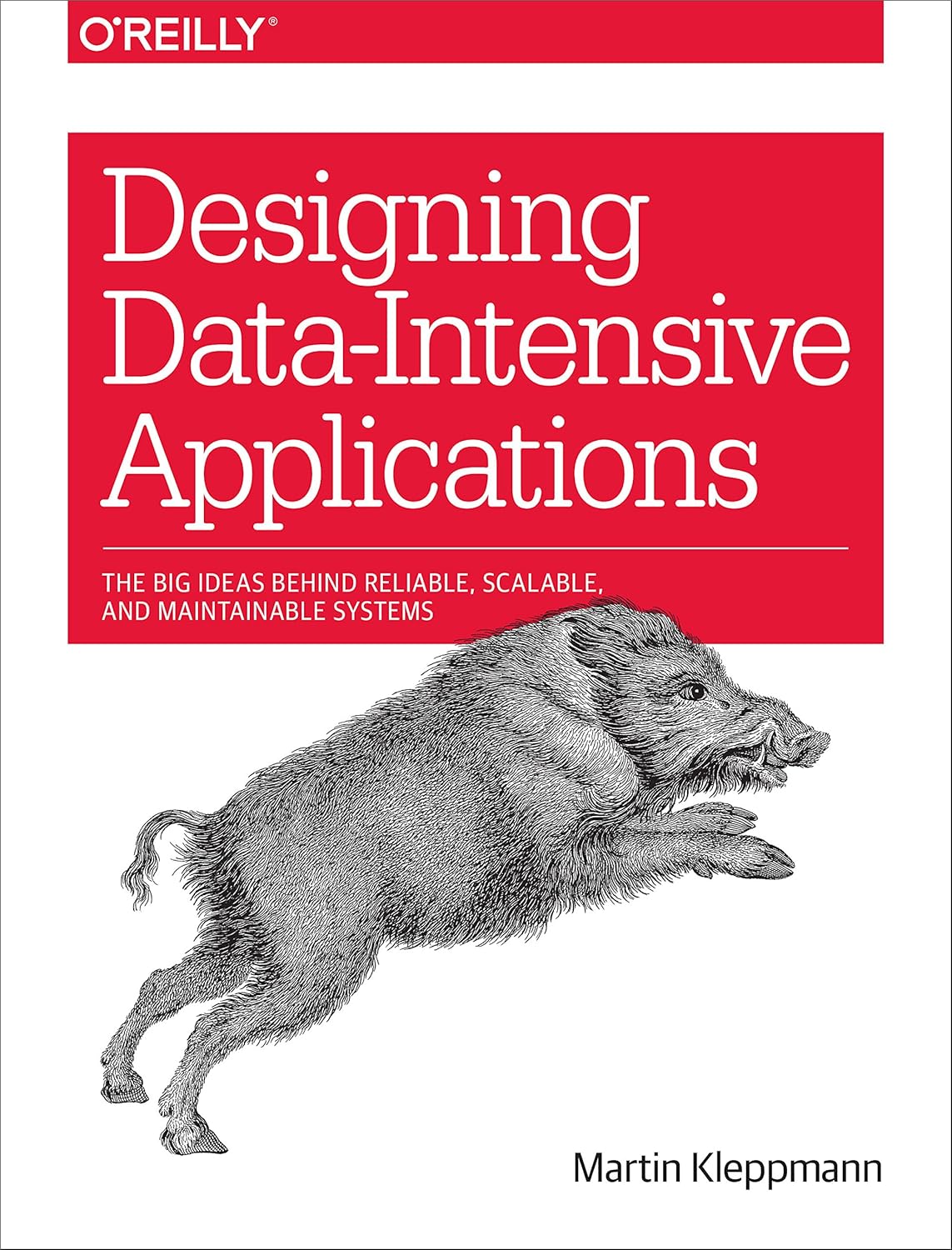 This book has become a standard reference in modern backend and distributed systems work because it offers a clear and methodical tour of how data systems are actually built. Kleppmann explains storage engines, replication, partitioning, transactions and stream processing with a focus on the real engineering trade offs that drive each design. The writing is calm and precise, which keeps the emphasis on understanding rather than buzzwords.
Its value comes from how it unifies ideas that are usually learned in fragments. By showing the principles that sit underneath databases, queues, distributed logs and coordination services, it gives you a framework for reasoning about system behavior and architectural choices. It gives you a solid grasp of the fundamentals that shape today’s large scale data systems.
Structure and Interpretation of Computer Programs
by Harold Abelson, Gerald Jay Sussman, and Julie Sussman
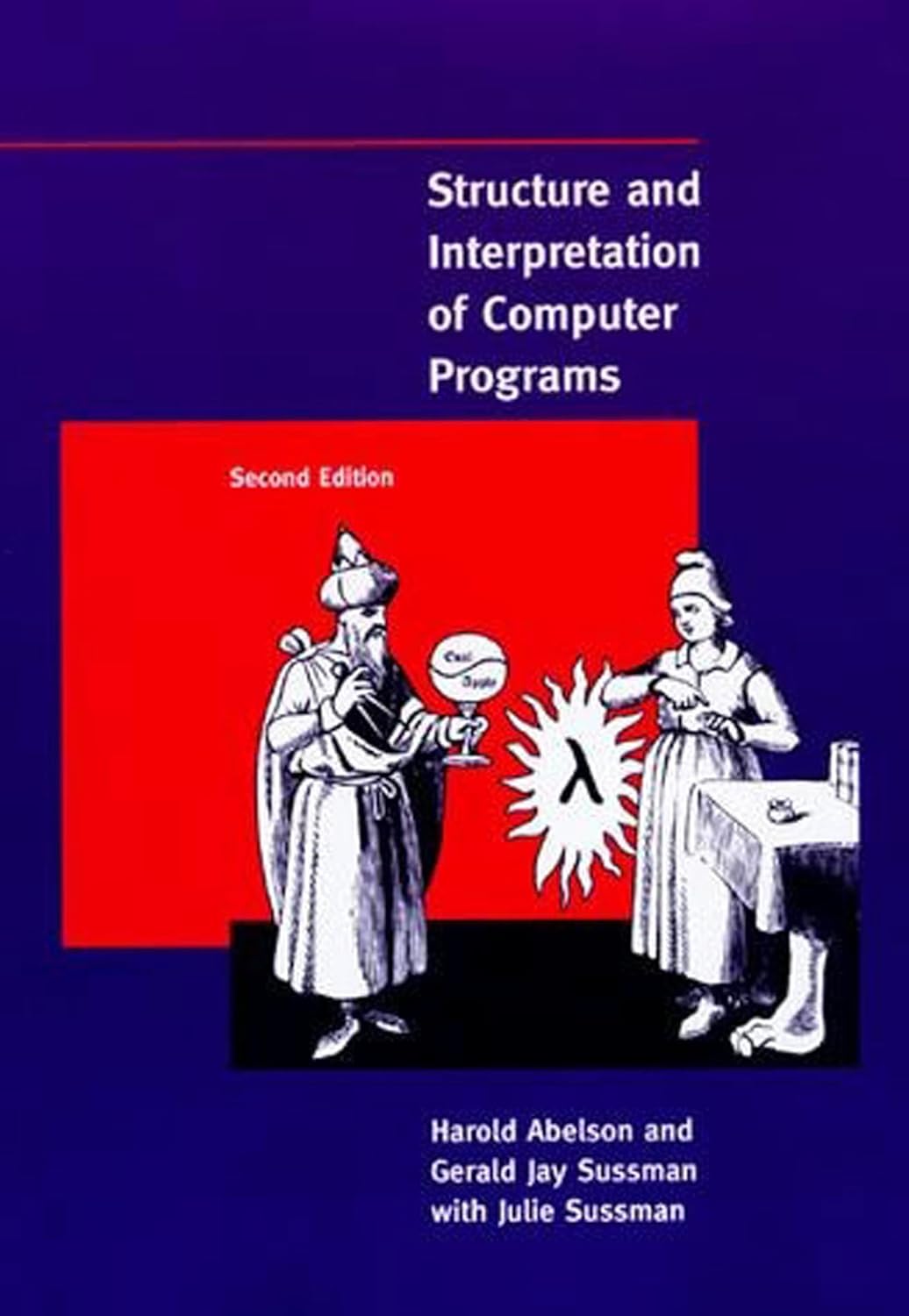 This is a book from 1996, and it has a loyal following among the functional paradigm community and among developers who care about the foundations of programming. The reason is simple: SICP treats programming as a way of expressing ideas with mathematical clarity. It shows how powerful abstractions can be built from simple primitives and how a language can be understood by examining the rules that govern its evaluation. That approach gives the book a timeless quality even though the examples are written in Scheme.
Its value comes from the way it exposes the underlying mechanics of programming. Concepts like higher order procedures, environments, interpreters and stateful systems are developed step by step, making their purpose and behavior unmistakably clear. Instead of teaching a language, it teaches a way of thinking that can be applied across languages and paradigms. It is demanding, but the payoff is a deeper and more systematic understanding of how programs are structured and how computational ideas fit together.
The book is available on MIT’s website.
Operating Systems: Three Easy Pieces
by Remzi H. Arpaci-Dusseau and Andrea C. Arpaci-Dusseau
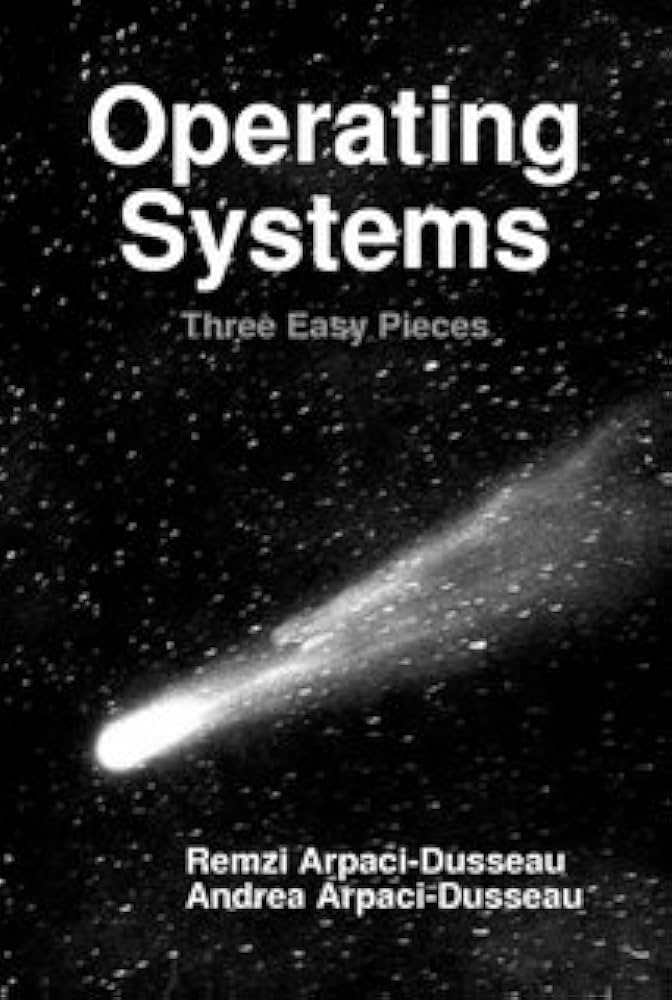 This is a modern and accessible introduction to operating systems that covers virtualization, concurrency, and persistence with unusual clarity. The authors break down complex topics like scheduling, memory management, file systems, and synchronization into digestible pieces, using concrete examples and a conversational tone that makes the material easier to absorb. Each chapter builds on the previous ones in a way that feels natural, and the explanations focus on helping you understand the why behind the mechanisms, not just the what.